

Have you ever caught yourself living on autopilot, feeling distant from what really matters to you? If so, you’re not alone. Many of us sense a gap between the values we wish to embody and the small, everyday actions filling our lives. We know what we care about, yet our habits, routines, and reactions don’t always reflect that deeper purpose.
It’s possible to bridge the distance between what we stand for and how we live—by aligning our daily habits with our values, step by step.
Why values and habits drift apart
The process seems simple: know our values and act on them. Yet, this isn’t always our reality. Daily demands, external influences, and even our own comfort zones can nudge us out of alignment.
Multiple studies, such as cross-cultural research showing that personal values guide attitudes and social behaviors, reveal that people's actions often drift from their beliefs due to routine, pressure, or uncertainty.
Strong habits have deep roots. We form them unconsciously, often mirroring our environments or responding to what feels urgent over what feels right. Over time:
- Habits can become disconnected from our priorities
- Values feel abstract and distant, reserved for big moments
- Daily life becomes driven more by inertia than intention
It's clear that paying attention to this mismatch is the first move toward change.
Step 1: Clarify your personal values
To align habits, we need a clear map of our values. Many people think they know their values, but when pressed, struggle to define them clearly.
Pause and ask: What truly matters to me, beyond expectations and trends?
We often see people benefit from listing values like honesty, kindness, health, growth, connection, or responsibility. Here are a few tips we've found effective:
- Write down moments when you felt proud, fulfilled, or at peace
- Notice recurring themes in those moments
- Distill your list to 3-5 core values
- Test each value: would you still claim this value if it made you stand out?
Research from an analysis of over 100,000 Finnish web-survey responses demonstrates that commitment to personal values relates positively to happiness and meaningful social activity.
Step 2: Identify current habits—honest inventory
With values set, it’s time for a candid look at habits. Habits form the architecture of our life—small actions repeated often. Not all support our values.
We suggest tracking a typical week—without judging or changing anything yet.
Document activities with simple notes:
- Morning routines
- How you transition between work and rest
- Choices around food, exercise, screens, and sleep
- Types and quality of interactions with people
When you step back, you’ll spot habits that serve your values—and some that don’t.

Step 3: Connect habits to values—bridging the gap
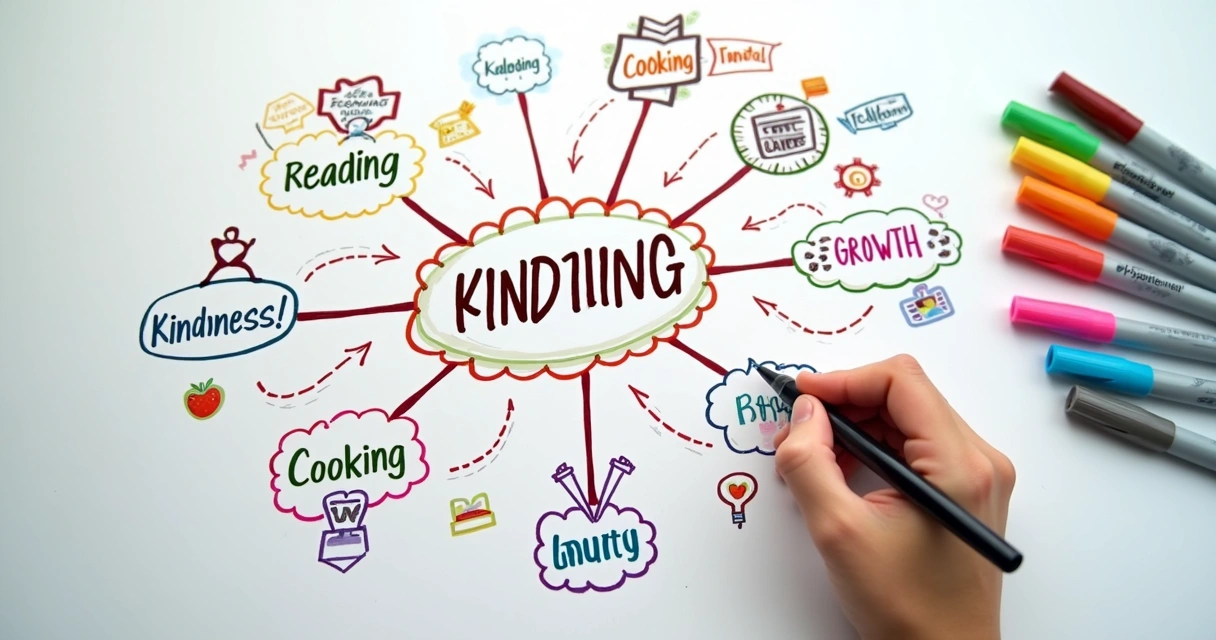
Now, let’s pair up habits and values. One practical way is to map out which habits support (or weaken) each value.
For instance, if “health” is a value, do your daily actions—like food choices or movement—uphold it? If “connection” matters, how often do you nurture relationships face-to-face instead of just sending a quick text?
- Highlight habits that clearly reflect your values—these are strengths to keep building on
- Mark habits that seem neutral or at odds with values—these become areas for change
- Spot missing habits—small new actions you'd like to bring in to support what matters
A nine-day diary study found that fulfilling “self-direction values” (like pursuing learning or creative interests) predicts well-being on the following day. Even brief value-driven habits can have ripple effects.
Step 4: Choose one value to focus on now
Trying to change everything at once rarely works. We suggest starting with one value that feels especially meaningful or where the gap is widest.
Ask yourself:
- What’s one small habit that could visibly bring this value to life each day?
- Can you make this action so specific you could measure it?
- Is there a way to link the new habit to an existing routine?
One simple change, consistently practiced, can shift your life’s direction.
If your value is “learning,” a daily habit could be reading 10 minutes before bed. For “generosity,” maybe it’s a weekly practice of helping a neighbor or donating to a cause.
Step 5: Make habits visible and accountable
Habits that stay vague don’t stick. Those tracked—even with simple check marks—gain power. Use a physical journal, app, or even sticky notes to keep track, and share your goal with a friend if you want an extra boost.
Data from an analysis of nearly 2.5 million U.S. respondents shows that life satisfaction and positive emotion independently predict healthier behaviors, such as exercise and avoiding smoking.
Step 6: Review, adjust, and stay curious
Perfection is not our aim—coherence is. Once you’ve tried syncing a value with a habit for at least two weeks, review gently. Did it feel natural? Was something blocking you?
- If the habit still matters, tweak it: change the timing, the cue, or reward
- If motivation dropped, reconnect with what the value means to you
- Celebrate consistency, not only results
We observed in our work that self-compassion beats self-criticism every time. When one value feels lived, select another and repeat the process. Over time, your life’s shape will shift to fit what matters most.
Small steps, lasting change
Values aren’t just ideas, and habits aren’t just routines. When the two meet, daily life becomes an authentic expression of what we care about. We see over and over that when even small actions reflect our values, our sense of meaning and well-being increases.
Research such as longitudinal studies on self-transcendence values confirms this. Those who act more consistently with their values experience greater well-being.
It begins with one clear value, one honest habit, and the courage to notice the difference. No need for drama—just small, observable choices, day after day. Over time, those choices create the person, relationships, and life we want to build.
Frequently asked questions
What does synchronizing values and habits mean?
Synchronizing values and habits means aligning your daily actions to reflect the principles and beliefs that matter most to you. When habits and values are in sync, life feels more meaningful and authentic.
How do I start aligning my habits?
Begin by identifying your core values and observing your current habits for a week without judgment. Then, choose one value and design a small, specific habit to nurture it. Track progress and refine as you go.
Why is it important to sync values?
When our habits match our beliefs, we experience higher well-being and satisfaction, as supported by studies linking values commitment to happiness and social activity. This alignment builds a sense of integrity and reduces internal conflict.
What habits help reinforce personal values?
Small, consistent actions connected directly to your values work best. Examples include mindful communication for “kindness,” regular exercise for “health,” or learning something new each week for “growth.” Pick habits that are practical and meaningful to you.
How can I track progress effectively?
Use a simple system: a journal, habit-tracking app, or checklists. Mark every time you complete your chosen habit. Reflect weekly on how your actions and feelings connect to your values for insightful progress.