
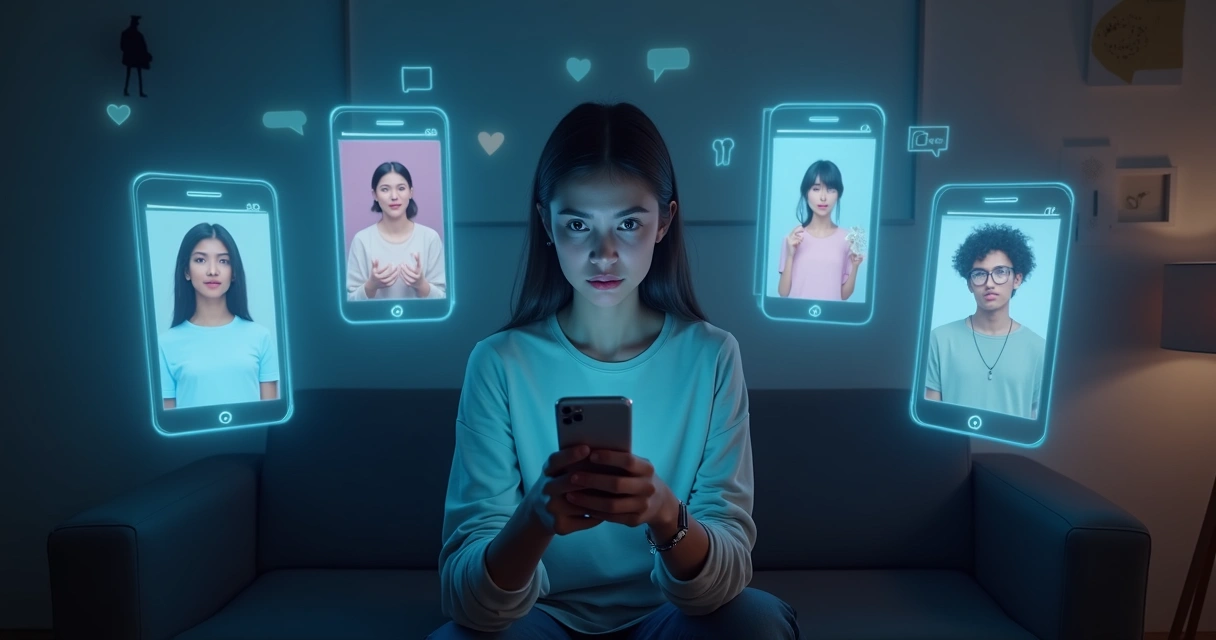
Have we ever scrolled through our favorite feed and caught ourselves thinking, “Why is my life not as interesting as theirs?” It almost happens silently. Each photo, story, or trend comes and goes, but together, they do something more than fill our phones: they start shaping how we see ourselves, every single day.
How online stories become personal stories
Every platform is packed with stories. Some are real, some are filtered. Some are fun, some are emotional. As we engage, we’re not just learning about others—we’re subtly invited to judge and compare, even if we don’t realize it right away.
We measure ourselves with invisible rulers crafted by what we see online.
In our experience, the process unfolds gradually. First, we absorb what’s trending: the newest challenge, a perfect vacation, a new standard of beauty, a viral act of kindness or drama. As these narratives repeat, they become familiar, even accepted, and create mental reference points for our own choices. Over time, we find ourselves adjusting to fit these stories—and our self-concept shifts, often without our conscious awareness.
What is self-concept, really?
Self-concept means the collection of beliefs, ideas, and feelings we hold about who we are. It is built from how we see our appearance, skills, values, roles, and relationships. It is not fixed. It changes with experience, feedback, and reflection. In our connected world, social media is now a powerful tool that molds this inner picture each time we log in.
Why narratives are so powerful
We think it’s easy to underestimate how much storytelling shapes what we consider “normal” or “desirable.” A single story rarely makes a difference, but dozens seen daily start to add up.
- Repetition creates familiarity: The more we see a type of content, the more “real” or normal it feels.
- Emotional impact: Stories that make us laugh, cry, or get angry have a deeper effect. They stick in our minds.
- Social validation: Posts with more likes or shares seem more believable or attractive, so we trust those stories more.
When these elements repeat, they set standards. Standards about beauty, success, lifestyle, relationships, and even happiness itself. It doesn’t matter if we consciously reject them—our subconscious is always listening.

The mirror effect: Comparing our lives daily
Most of us have clicked on a photo, paused, then felt a quick spark of envy or insecurity. Maybe it’s someone else’s vacation, their job news, or a picture-perfect family moment. We know, rationally, that no one’s life matches their online highlight reel, but our emotional mind still reacts.
What we see online quickly becomes the mirror in which we judge ourselves.
Social media platforms do not just tell stories—they amplify comparison, showing us what is considered liked, celebrated, or “worthy.” As a result:
- We may start evaluating our achievements by other people’s timelines.
- We might feel pressured to look a certain way or show only “happy” sides of life.
- It becomes tempting to chase approval or validation through likes or positive comments.
Rewriting the “ideal”
We’ve seen that people adjust their behaviors, language, and even appearance based on what seems to be the current “ideal” story. This can bring rewards—more friends, more engagement—but it often creates stress and self-doubt when our real self conflicts with these new expectations.
The result? A growing distance between who we truly are and who we think we should be. The gap between our authentic self and our online self can lead to confusion and a sense of being lost.
What happens inside our minds?
Every story we see or hear engages our emotions and shapes our beliefs. This usually happens in three steps:
- Exposure: We see repeated images and stories. They create references.
- Emotional response: We feel something—joy, jealousy, hope, disappointment.
- Identity adjustment: We may not notice it, but our opinion about ourselves, even our goals, shift a little each time.
Research and practice show that stories paired with strong emotions leave a deep mark. These become “anchor points” against which we measure ourselves later, consciously or not.

How we can take the power back
We are not at the mercy of every online trend. In our experience, a few simple habits can help us stay present and protect the core of who we are:
- Pause before reacting. If something makes us feel upset or less than, stop and ask, “Is this real? Is this really about me?”
- Limit exposure. It helps to take breaks or unfollow accounts that trigger negative feelings.
- Regular self-checks. Journaling, meditation, or talking with friends can help us reconnect with our real values and strengths.
- Value authenticity over “likes.” Share stories or photos that reflect our true selves, not just what we think others want.
- Practice self-kindness. Remind ourselves that everyone is figuring things out—even those with perfect online lives.
We can be the authors of our story, not just readers of someone else’s.
Conclusion: Living with awareness in a connected world
Social media brings us together and gives us access to stories from every corner of the world. But it also brings new tests to our sense of self. As we navigate this sea of narratives, we can choose to engage with awareness, question what we see, and protect the solid ground of our inner self.
By choosing what stories we allow in, and by checking in with ourselves, we claim the steering wheel. Our self-concept becomes stronger, clearer, and more authentic, even in a world that never stops telling stories.
Frequently asked questions
What is a social media narrative?
A social media narrative is a story, message, or theme that spreads through posts, pictures, and videos, shaping how groups see reality. It can be about trends, lifestyle, values, or culture—built by users and influencers, repeated until it forms a shared belief or expectation.
How do narratives affect self-concept?
Narratives provide reference points for what is accepted or “ideal,” so we end up comparing ourselves and adjusting our views, even unconsciously. They influence our emotions, our goals, and even how we explain our own experiences to ourselves and others.
Can social media change my self-image?
Yes, especially if we spend a lot of time viewing and absorbing repeating themes or standards online. Over time, we may begin to judge our worth based on likes, comments, or comparisons, which can reshape our self-image.
How can I protect my self-concept online?
You can protect your self-concept by setting boundaries, limiting exposure, and choosing to follow content that supports your real-life values. Regularly check in with yourself through reflection or conversation, and share honestly rather than just following trends.
Why do people believe social media stories?
Repetition, emotional impact, and social approval make stories seem normal or true, so we accept them easily. When everyone around us seems to believe or celebrate a story, it feels natural to go along, even if the story is only a small part of reality.