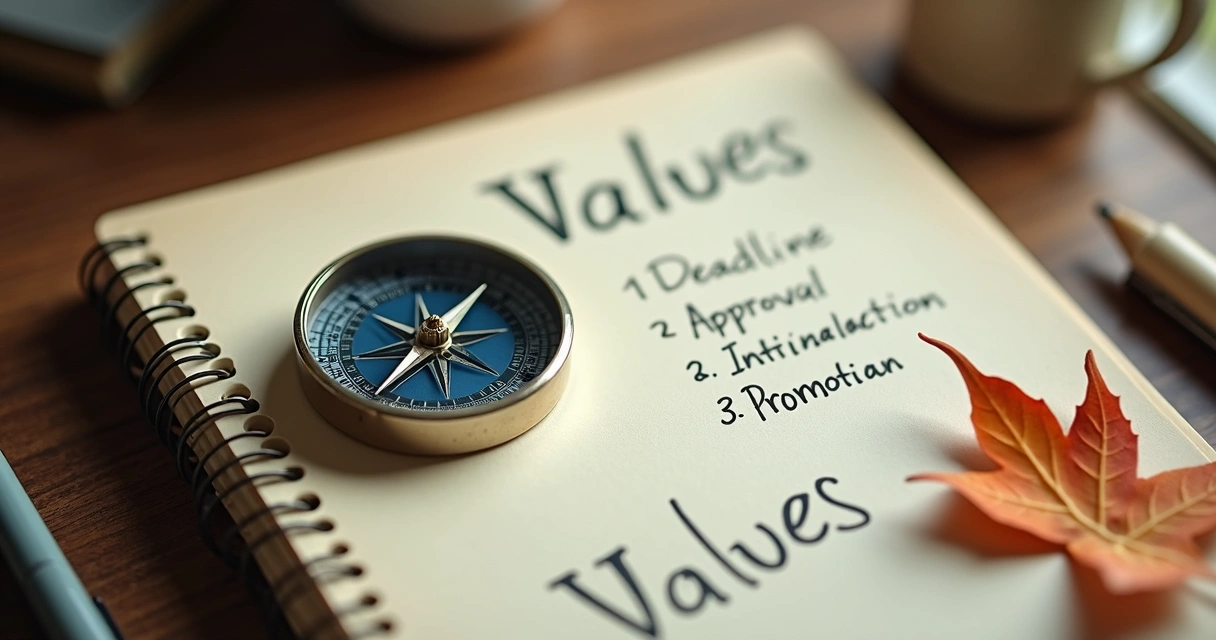


Self-regulation is not a trait we are born with. It is a skill that grows with practice, self-awareness, and intention. As leaders, the difference between reacting impulsively and responding thoughtfully can shape teams, organizations, and even our personal lives. The beauty of self-regulation is that its development can begin within the quiet and familiar spaces of our homes. We believe that learning these skills outside the workplace can be even more profound, as home offers a safe ground for experimentation, reflection, and gradual growth.
Understanding self-regulation in leadership
When we talk about self-regulation, we mean more than just keeping our tempers in check. Self-regulation is the ability to manage our own behaviors, emotions, impulses, and thoughts in service of our goals and values. For leaders, this means acting with integrity, staying calm under pressure, and making decisions based on purpose rather than mood.
Leadership starts with mastering ourselves.
Strong self-regulation does not erase emotion. Instead, it gives us the mental space to notice feelings, understand them, and choose how to act. This level of emotional maturity shapes the trust and respect of everyone around us.
Why develop self-regulation skills at home?
Home is often our first laboratory. Within its walls, we encounter daily triggers, habits, and emotions that mirror those in professional life. Practicing self-regulation at home allows us to test new responses, reflect on what works, and build resilience in a low-risk setting.
- We can practice active listening in conversations with family.
- We can observe our reactions to stress during household challenges.
- We can set and maintain personal boundaries without formal authority structures.
Home life provides constant feedback, making it easy to see patterns and shifts in our responses. Over time, the self-mastery we develop transfers to meetings, negotiations, and tough moments at work.
Core self-regulation skills leaders can grow at home
We have identified several core self-regulation skills that leaders can build in daily life. Every home environment holds opportunities to sharpen these abilities.
Self-awareness as the foundation
It all begins with awareness. Paying attention to thoughts, emotions, and bodily reactions in the moment is the first step. For example, the next time we feel irritation rising when plans change, we can pause to notice:
- What physical sensations are present?
- What thoughts are running through the mind?
- How do emotions color our response?
Self-awareness is the anchor that keeps impulsive reactions in check and gives us a starting point for growth.
Impulse control in daily habits
Everyday routines reveal subtle impulses. The urge to check our phones during conversations, to speak over someone, or to react sharply when plans shift. We can train ourselves to recognize these moments and choose to pause.
Try this: the next time an impulse arises, silently count to five before responding. This brief gap lets emotion settle and clear thinking emerge.

Emotional flexibility through reframing
Emotional flexibility means shifting perspective when faced with strong feelings. At home, we encounter disappointments, miscommunications, and unexpected setbacks. Instead of lingering on frustration, we can ask:
- What positive lesson can I take from this moment?
- How else could I see this situation?
- What outcome do I want for myself and those involved?
Reframing our interpretations softens emotional reactions, opens new choices, and leads to more thoughtful leadership responses.
Setting and safeguarding boundaries
Boundaries are the rules we set to protect our energy and focus. As leaders, we often feel pulled in many directions. At home, setting boundaries could mean designating a quiet space for reflection, or asking for help when feeling overwhelmed.
Boundaries help us honor our needs and build respect with others.
Discussing needs openly with others at home is good practice for advocating for ourselves and our teams in larger environments.
Practicing patience and delayed gratification
From waiting for a meal to finish cooking, to holding off on reacting to a critical message, home is full of moments that test patience. Purposefully practicing delayed gratification strengthens discipline.
- Wait before responding to messages.
- Finish one task before starting the next.
- Plan family activities and stick to commitments.
Over time, small acts of patience build the muscle needed to make considered decisions in leadership.
Methods to develop self-regulation skills at home
We have found several techniques especially helpful for training self-regulation outside of work environments.
Journaling emotional responses
Writing down daily emotional highs and lows helps us see patterns in our reactions. This practice builds self-awareness and puts distance between feeling and impulse.
We encourage noting both the trigger event and your response, then reflecting on how you might adjust next time.
Mindfulness and breathing exercises
Simple breathing techniques and mindfulness exercises can be done anywhere, anytime. Focus on slow, steady breaths or pay attention to the sensations of the present moment. Even five minutes each day can make a difference.
- Try box breathing: breathe in for four counts, hold for four, out for four, hold for four.
- Notice and name emotions as they arise, without judgment.
- Use mindful awareness when eating, walking, or listening to someone speak.
Communicating with intention
At home, focus on listening without interrupting and expressing needs without blame. When disagreements arise, state your feelings using “I feel” rather than accusing. This builds trust and empathy.
Intentional communication is a hallmark of self-regulated leadership.

Reviewing actions and outcomes
After a challenging moment or interaction, take time to review what happened. What worked? What could be improved next time? Honest reflection is where real growth lives.
The goal is steady progress, not perfection.
Common challenges and how to approach them
Building self-regulation takes time. We will make mistakes, fall into old habits, and feel frustrated by slow progress. But we see these moments as information, not failure.
- Acknowledge slip-ups and look for triggers.
- Seek support from family and peers when feeling stuck.
- Keep a gentle, compassionate attitude toward yourself.
Change may come quietly. With patient practice, however, the inner calm and resilience we build at home starts to show up everywhere we go.
Conclusion
Self-regulation is a lifelong journey. We have found that the habits built at home serve leaders well, guiding responses in moments that count, both personally and professionally. The key is not to wait for the perfect moment, but to start where we are—one mindful breath, one pause, one act of patience at a time. As our inner foundation grows stronger, our leadership presence follows. Every small choice to self-regulate adds up, and over time, it changes the way we lead, live, and relate to the world.
Frequently asked questions
What is self-regulation for leaders?
Self-regulation for leaders is the ability to manage one’s own thoughts, emotions, and behaviors in order to act with purpose, even in challenging situations. It means choosing thoughtful responses over automatic reactions and aligning decisions with core values.
How can leaders improve self-regulation?
Leaders can improve self-regulation by practicing self-awareness, using mindfulness techniques, reflecting on their emotional triggers, and setting clear personal boundaries. Regular review of actions and open communication with trusted people also help reinforce these skills.
Is self-regulation important for leadership success?
Yes, self-regulation is vital for effective leadership because it supports clear decision-making, builds trust, and helps leaders stay calm in stressful situations. It also sets a positive example for others and fosters a healthy working environment.
What are self-regulation skills to practice at home?
At home, leaders can practice skills like mindful breathing, journaling emotional responses, setting and keeping boundaries, reframing negative thoughts, and showing patience in daily routines. These habits build the foundation for self-regulation.
Can self-regulation be learned outside work?
Absolutely, self-regulation can be practiced and learned at home or in any environment with intentional effort and reflection. In fact, practicing in familiar spaces often makes these skills stronger and more sustainable in the long term.