


Every day, we face a stream of thoughts and feelings about ourselves. Sometimes, these are gentle and understanding. Sometimes, they are harsh and unforgiving. Over time, the pattern we choose matters. One of the most transformative choices we can make is to cultivate self-compassion. But what really happens in our brains when we treat ourselves kindly? And how can we start developing this attitude in our lives?
Understanding self-compassion through the brain
Research into self-compassion has shown us that it is far more than a feel-good idea. The way we relate to ourselves activates and changes our brain in measurable ways. In our studies, self-compassion is a mental stance of warmth, understanding, and acceptance towards oneself, especially in times of pain or failure.
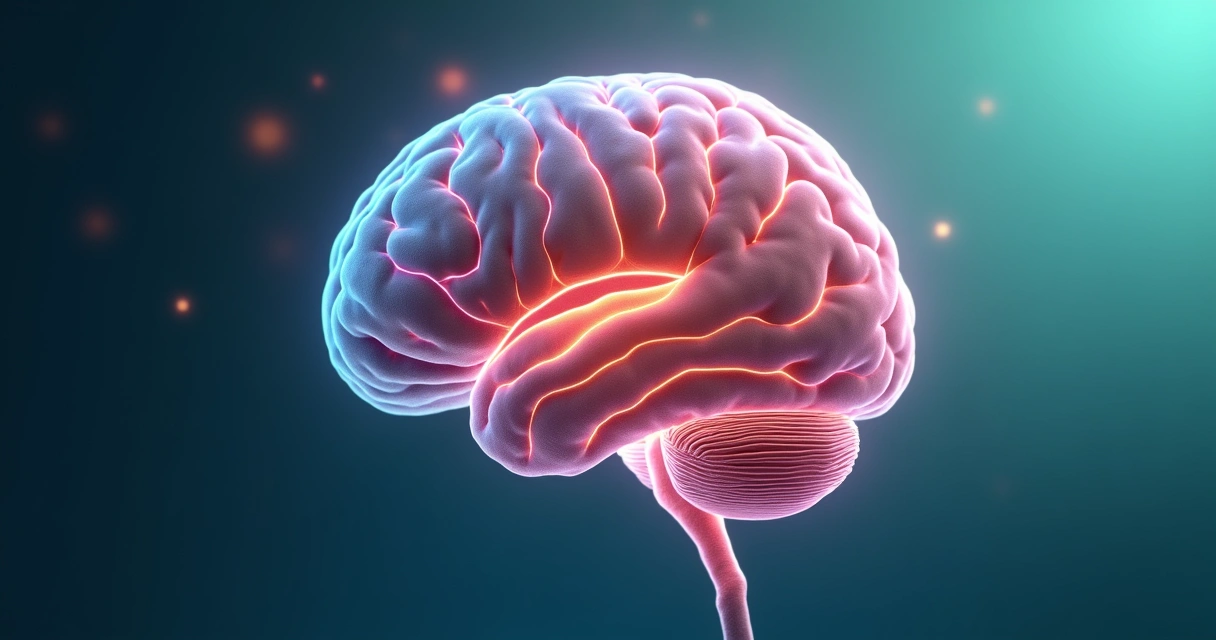
From a neuroscience perspective, different brain regions come into play when we apply self-compassion. The insula, which is involved in emotional awareness, lights up. So does the anterior cingulate cortex, responsible for monitoring mistakes and regulating emotions. When we treat ourselves like a caring friend, our brain's “threat-detection” systems, including the amygdala, show less activity.
Self-compassion calms the mind's inner critic.
Unlike simple positive thinking, self-compassion recognizes pain and suffering as part of being human. This acceptance actually creates a safer environment in our nervous system, so we can face discomfort without shutting down or lashing out.
Why self-compassion is challenging for most of us
We have evolved strong self-protection instincts. Criticism, whether internal or external, can seem helpful, like it will push us to do better. But most of us find that harsh self-judgment just increases shame and rumination. At the brain level, negative self-talk fuels the threat-response system, making us more anxious or depressed.
Changing this pattern is not about turning off the inner critic entirely. It's about creating a new mental path—one of care and curiosity. When we practice self-compassion, we activate the “tend-and-befriend” system, rooted in the hormone oxytocin. This system soothes stress, connects us with others, and supports healing.
In our experience, even people who believe self-compassion is “soft” or “self-indulgent” begin to notice that it actually increases their motivation. Kindness toward ourselves helps us recover from mistakes more quickly, and makes us more willing to try new things.
The neuroscience of common humanity and self-kindness
Self-compassion has two key pillars: recognizing our common humanity and practicing self-kindness. Neuroscientifically, these two elements pull different levers in our brains.
- Common humanity: This involves acknowledging that everyone struggles sometimes. Recognizing that we are not alone helps deactivate the default mode network, which is associated with rumination and self-centered thinking.
- Self-kindness: This is the act of offering support and warmth to ourselves. Self-kindness activates brain regions associated with care-giving, such as the medial prefrontal cortex, which can downregulate our threat response and reduce stress hormones.
Together, these reactions soften pain and create a more resilient mental environment. Our behaviors and decisions benefit from this as well, since we are no longer as stuck in defensive patterns.
How self-compassion rewires our brain over time
Practicing self-compassion leads to long-lasting changes in the structures and functions of the brain. With repeated experiences of self-kindness, the neural pathways that support calm, balance, and connection become stronger.
We have seen in imaging studies that people who score higher in self-compassion show greater gray matter density in areas responsible for emotional regulation. These people demonstrate less amygdala reactivity and a greater ability to shift attention from negative thoughts. Such changes do not occur overnight, but build over weeks and months of practice.
This rewiring is similar to building a mental “muscle.” At first, extending compassion to ourselves can feel awkward. Our brain is simply used to another way of reacting. But, with patience, new habits take root.
Change the story you tell yourself, and your brain will begin to follow.
Simple ways to bring self-compassion into daily life
Over the years, we have found that regular, small practices have the greatest impact. Here are some simple ways to develop self-compassion that anyone can begin today:
- Notice your self-talk: Pay attention to the way you speak to yourself, especially when things go wrong. If you hear harsh words, gently ask, “Would I say this to a friend?”
- Name your feelings: Allow yourself to acknowledge sadness, frustration, or anger without judgment. Labeling emotions activates regions in the brain that help calm them.
- Use self-soothing gestures: Placing a hand on your heart or your cheek even for a few seconds can activate oxytocin and help you feel safer in your own skin.
- Write yourself a compassionate note: Try jotting down a letter of understanding and forgiveness to yourself. Writing truly changes how the brain stores self-related information.
- Practice mindful breathing: Take several slow, kind breaths, focusing on caring for yourself and accepting the present moment as it is.
You do not need perfect circumstances or large chunks of time for these exercises. Even a few minutes a day can begin creating new connections in your brain. With regular practice, these moments of self-compassion add up to lasting change.

Integrating self-compassion into relationships and work
Developing self-compassion doesn’t just benefit private moments of struggle. It also improves our interactions with others. When we are less defensive and kinder toward ourselves, we are more open, patient, and stable in our relationships at home and at work.
Those with higher self-compassion are less likely to lash out under stress or to hide their mistakes. They communicate more honestly and forgive more quickly. This positive ripple can create healthier families, teams, and organizations, as our mindset influences the emotional climate around us.
In statements we have heard from people practicing self-compassion: their creativity improves, motivation grows, and burnout drops. Small acts of self-care, even in busy environments, protect against stress and support better decision-making.
Giving ourselves kindness changes not just us, but everyone around us.
Conclusion
Self-compassion is more than a kind idea—it is a process that changes the very wiring of our brains. Through regular practice, even brief moments of self-kindness, we quiet the inner critic and spark real changes in our emotional and social life. As neuroscience shows, caring for ourselves is not only possible, but deeply transformative. We invite each person to test these ideas, even just for a day, and notice the difference. A little more self-compassion goes a long way.
Frequently asked questions
What is self-compassion in neuroscience?
In neuroscience, self-compassion is understood as a pattern of brain activity and connectivity where regions related to care, acceptance, and emotional regulation are activated when we respond kindly to ourselves. This typically involves the insula and medial prefrontal cortex, which help create a sense of safety and balance during hard times.
How does self-compassion change the brain?
Repeated self-compassion practices strengthen neural pathways linked with emotional regulation and reduce the activity of stress-related circuits like the amygdala. Over time, this rewires the brain so that self-kindness and balance become more automatic responses during difficult moments.
What are easy ways to practice self-compassion?
We suggest starting with three core habits: notice and soften your self-talk, name your emotions without judgment, and use small self-soothing gestures such as touching your heart or writing yourself a gentle note. Even short daily moments can add up to long-term change.
Is self-compassion effective for mental health?
Yes, research shows that self-compassion is linked to less anxiety, depression, and stress, and greater well-being overall. By soothing self-criticism and promoting acceptance, self-compassion supports resilience and mental balance.
Can self-compassion help reduce stress?
Absolutely. Self-compassion lowers the brain’s threat response, soothes stress hormones, and builds our capacity to cope with pressure. People who practice it regularly report feeling less overwhelmed and more grounded in everyday life.