


In our daily lives, self-regulation is the quiet engine behind countless conscious and unconscious decisions. We often hear about self-control or willpower, but what does neuroscience have to say about how adults actually manage emotions, impulses, and habits in a complex world? In our experience, recent research brings powerful new answers that help us understand ourselves—and change for the better.
The brain's puzzle: understanding self-regulation
Self-regulation is not one skill, but a set of abilities that allow us to pause, think, and choose our response even when emotion or desire is strong. These abilities branch into emotional, behavioral, and cognitive self-regulation, and they shape everything from relationships to work decisions.
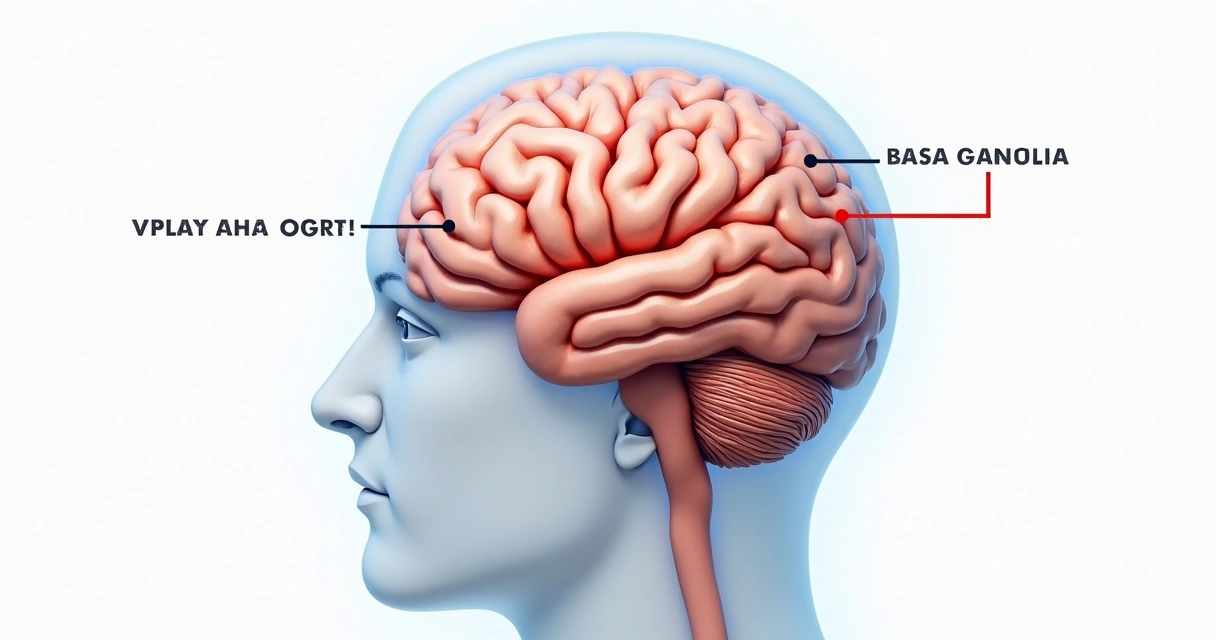
Neuroscience shows that the adult brain is not static. Brain scans and experiments have revealed a network of interconnected regions responsible for self-regulation. The leading actor here is the prefrontal cortex, which sits right behind our forehead.
The prefrontal cortex is the brain's decision-making and self-control center.
But there is more to the story. Emotional centers like the amygdala, learning regions like the hippocampus, and even motor areas all share information. Habits, memories, and feelings swirl together, influencing what we do—and what we stop ourselves from doing.
How are habits and self-regulation linked?
If you've ever tried to start a healthy habit as an adult, you know it’s rarely easy. Neuroscience explains why: habits are built when neural pathways get stronger with repetition, making certain behaviors nearly automatic. Self-regulation is what allows us to interrupt old patterns and foster new ones. But how does this work in the adult brain?
When we repeat a behavior, the basal ganglia (deep in the brain) helps solidify it into a habit loop. Once established, this loop runs with little conscious effort. For example, reaching for snacks during stress becomes almost automatic. The prefrontal cortex, however, can step in with awareness and intentionality: “Wait, is this what I want to do?”
- Awareness: The first step is noticing the urge or trigger.
- Impulse Inhibition: The brain pauses automatic action.
- Redirection: A deliberate, healthier behavior replaces the old habit.
Each time we successfully navigate this process, we’re not only resisting impulse; we are literally reshaping the connections in our brain. This is what gives adults the power to change, even after years of routine.
Emotions, stress, and the challenge of regulation
Stressful or emotional situations test our self-regulation. Neuroscience has shown that under stress, the amygdala can bypass the prefrontal cortex, firing off rapid fight-or-flight reactions before we have a chance to think. This may explain why we sometimes say or do things we regret in the heat of the moment.
However, adults can develop greater self-regulation with practice. Mindfulness activities, emotional labeling, and thoughtful pause insert a gap between stimulus and response, restoring the prefrontal cortex’s role. Over time, these practices strengthen neural circuits that support emotional balance and well-chosen responses.
With practice, the brain becomes better at making conscious choices—especially under pressure.
The science of changing habits after childhood
It was once believed that the adult brain was fixed, but we now know that adults can change throughout life. This is thanks to neuroplasticity—the brain’s ongoing ability to rewire itself.
Neuroplasticity allows adults to build new habits, weaken old ones, and sharpen self-regulation, even decades after habits formed. But it takes energy, repetition, and intention. Each successful act of self-regulation leaves a biological trace, as synapses strengthen or fade.
Some routine changes are harder than others. High-emotion habits or deeply rooted patterns may require extra support, such as social encouragement or structured plans. Importantly, setbacks are normal. Neuroscience suggests that noticing when we slip and returning to our intentions is, itself, an act of self-regulation.
- Identify clear triggers and usual responses.
- Set realistic, positive goals for change.
- Celebrate each small success to reinforce new pathways.
- Practice regularly; repetition is the key feature the brain responds to.
Why do adults often struggle with self-regulation?
Life grows complex as we age. We juggle work, family, social pressures, and health—sometimes all in one day. The adult brain is powerful, but it gets tired too. Neuroscientific studies show that repeated decision-making, stress, poor sleep, or ongoing anxiety drain the prefrontal cortex’s resources. That’s why we sometimes “run out” of willpower in the evening or under strain.

Healthy habits replenish these resources. Regular sleep, exercise, nutrition, rest, and supportive relationships all help the brain recover and improve our self-control abilities. In our view, caring for these basics is the foundation for every other change we wish to make.
Practical strategies from neuroscience
Over many years studying self-regulation, we have seen that using knowledge from neuroscience makes a difference. Here are several brain-friendly strategies that enhance adult self-regulation:
- Practice mindful awareness: Take a few minutes each day to pause, observe thoughts and feelings, and return focus. This activates the prefrontal cortex and reinforces conscious choices.
- Break big goals into smaller steps: The brain prefers manageable tasks. Celebrate each step; reward releases dopamine and cements the habit.
- Use environmental cues: Place reminders or obstacles in your environment to prompt positive action or prevent temptation. For instance, keeping healthy snacks in view and hiding less healthy ones makes a real difference.
- Build new habits gradually: Aim for daily repetition, not perfection. Consistency, even if minimal, is what rewires the brain.
- Rest and reset: When the mind is tired, give yourself breaks. Good sleep, social connection, and relaxation restore the brain's capacity for self-control.
Some days, change feels slow. On others, even a small win can feel great.
Every act of self-regulation is a vote for the person you want to become.
The science tells us this: adults are not locked in by past habits. By understanding our brains, noticing patterns, and acting with kindness toward ourselves, we reshape our daily reality—one choice at a time.
Conclusion
Neuroscience has transformed our understanding of adult self-regulation. We are learning that self-control does not depend on a fixed trait, but on brain systems we can strengthen with practice, patience, and smart strategies. By combining knowledge of how habits work, supporting brain health, and choosing conscious responses, we shape not just our own lives, but the world around us. The path to change may be gradual, but even small daily shifts make a measurable difference. Science, habit, and human will form a partnership that unlocks new growth—at any age.
Frequently asked questions
What is self-regulation in adults?
Self-regulation in adults is the ability to manage thoughts, emotions, and behaviors to achieve goals or respond well to challenges, even in the face of stress or temptation. It is a set of learned skills, not just an inborn trait, and it includes delaying gratification, staying calm, maintaining focus, and making choices that match personal values.
How does neuroscience explain self-regulation?
Neuroscience explains self-regulation as a process involving several brain regions, especially the prefrontal cortex, which guides decision-making and impulse control. Regions like the amygdala and basal ganglia also play roles, influencing emotion and habit. Neural pathways strengthen or weaken based on repetition, making self-control a skill that can improve with practice and attention.
How can I improve my self-regulation?
To improve self-regulation, you can try daily mindfulness, breaking tasks into small steps, creating supportive environments, and ensuring enough sleep and rest. Frequent repetition, kindness to yourself during setbacks, and celebrating small successes help the brain develop nerves that support better self-control.
What habits support better self-regulation?
Habits that support better self-regulation include regular exercise, consistent sleep, mindful breathing or meditation, healthy eating, setting clear daily intentions, and making time for reflection. Organizing daily routines to fit your goals helps keep the brain's self-control systems in good working order.
Is self-regulation training worth it?
We have seen that self-regulation training can have clear benefits, both personally and professionally. Adults who practice self-regulation techniques often enjoy better relationships, more freedom from unwanted habits, and steadier progress toward goals. Over time, training strengthens the brain systems behind lasting change.