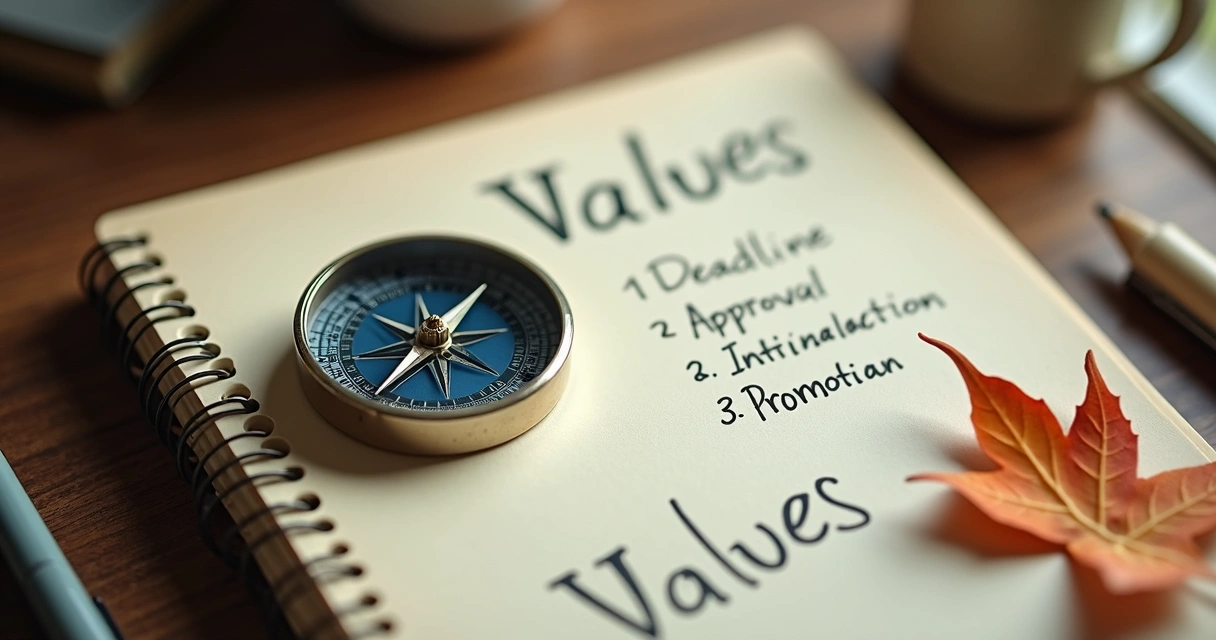


Ethics and emotional development may sound like separate ideas, but the way we grow as people shows us they often move together. We notice the connection in daily life: the way we handle strong feelings can shape our moral choices, and our sense of what’s right can, in turn, help us develop emotionally. In our experience, reflecting on this link not only helps us understand ourselves better, but it can also guide personal growth and improve our relationships with others.
Understanding ethics: more than rules
When most people hear the word “ethics,” they often think about rules—what’s allowed and what isn’t. However, we see ethics as deeper than a simple list of do’s and don’ts. It’s a process. It’s about reflecting on how our actions affect others, making decisions that consider fairness, and acting with honesty, even when no one is looking.
Ethics is a personal journey that evolves over time with our experiences, our thoughts, and even our feelings. As we learn more about ourselves and our world, our sense of right and wrong can shift, grow, and even transform. This is not just theory—we have seen this in our own lives and in the lives of people around us.
What emotional development really means
Emotional development is about more than identifying feelings. It involves the growth of our ability to notice, understand, and manage our own emotions as well as respond to the emotions of others. This growth affects everything: how we resolve conflict, how we connect with those around us, and how we react in moments of challenge.
We often find that emotional development involves layers of learning:
- Becoming aware of our emotions
- Accepting and naming our feelings without judgement
- Practicing ways to self-regulate and find calm
- Empathizing with other people’s experiences
- Reflecting on how our emotions influence our choices
The more we develop these skills, the easier it becomes to choose responses rather than simply react. And those choices are at the heart of our ethics.

Where ethics and emotions meet
At first glance, it could seem like ethics and emotions are in different worlds. But as we reflect, the connection becomes clear. Strong emotions often show up in moral situations—anger at some kind of unfairness, guilt after a mistake, pride from doing the right thing. In real life, we do not separate what we feel from how we decide what is right.
Think of a time when you watched someone being treated unfairly. The feeling that rose up inside—maybe a mix of anger and empathy—likely became the first step toward wanting to act. But, acting ethically requires more than a basic reaction. We believe this is where emotional development enters the story.
Being able to pause, feel, reflect, and then respond is what links our emotions to our moral choices.
How emotional development strengthens ethics
The reality of human experience means that our feelings can sometimes cloud our ethical judgment, yet they can also sharpen it. We think the journey toward mature ethics usually travels a path through emotional growth. Here are some of the ways this happens:
- Empathy fuels fairness: The ability to notice and understand others’ emotions allows us to relate, putting ourselves in their shoes. This guides us toward fairness, compassion, and more just decisions.
- Self-regulation prevents harm: Pausing to calm our initial reactions can prevent hotheaded actions—from angry outbursts to rash judgments—that might go against our deeper values.
- Honesty with ourselves: Recognizing when we feel envy, fear, or guilt helps us avoid acting on impulses. We can make the conscious choice to pursue what we believe is right, instead of what feels good in the moment.
- Resilience during challenge: It’s not easy to choose an ethical path when it comes with risk. With emotional maturity, we can sit with discomfort, doubt, or fear and still stand by our values.
By improving our emotional self-awareness and regulation, we place ourselves in a stronger position to act ethically—even when emotions want to push us in another direction.

Barriers to the link: when emotions and ethics part ways
While emotions and ethics often walk side by side, there are times when they can lead us in different directions. We’ve noticed that people sometimes struggle with:
- Impulses overriding values: Acting out of anger or fear before thinking can result in choices we later regret.
- Suppressed feelings blocking empathy: Hiding from our own shame or sadness can make it harder to see what others experience.
- Social pressures clouding judgment: Wanting to fit in, we might ignore our own moral compass to please a group.
- Unresolved emotions shaping beliefs: Old hurts can drive us to defend beliefs or positions without looking at facts or fairness.
Ethical growth is not automatic; it calls for emotional effort and reflection.
Growing both sides: some ways to build the connection
So, how can we strengthen the bond between our emotional growth and our ethical outlook? We see results when daily life gives us opportunities to:
- Pause before responding to strong emotions. That gap creates space for reflection.
- Talk openly about feelings and choices, with trusted people or in writing.
- Reflect on decisions, asking ourselves not only what happened, but why we acted as we did.
- Show curiosity about both our own emotions and the reasons behind the actions of others.
- Practice kindness toward ourselves when we miss the mark; it’s part of growth.
As we deepen emotional understanding, we create real foundations for ethical living.
The journey: from self to society
While this process often starts within, it rarely ends there. Every personal step we take in emotional development and ethical thinking extends outward, touching those around us. We have seen how families, teams, and communities become calmer, kinder, and more resilient when people support each other in both self-understanding and moral decision-making.
Growth in one area helps the other take root.
The journey is ongoing. Every new challenge or relationship asks us to rethink, re-feel, and recommit to our values. We all have the chance to keep growing—inside and out.
Conclusion
The relationship between ethics and emotional development is woven through our everyday lives. As we build emotional maturity, we gain tools to reflect, to care, and to act with greater responsibility. Our choices become more thoughtful, our relationships more respectful, and our places in the world more meaningful. It may not always be an easy path, but we believe the rewards—inner confidence, honest connection, and the chance to make a real difference—are deeply worth it. Growth never stops, and neither does the journey of linking our feelings to our highest values.
Frequently asked questions
What is the link between ethics and emotions?
Ethics and emotions influence each other closely, as our feelings often shape our sense of right and wrong, while ethical reflection shapes how we manage and express emotions. For instance, feeling empathy can lead to fair decisions, while pausing to reflect on ethical values can help us respond calmly rather than giving in to quick emotional reactions.
How does ethics influence emotional growth?
Practicing ethics motivates us to pay attention to our feelings and reactions. Reflecting on what’s right or wrong encourages self-awareness and deeper understanding of why we feel certain ways. We grow emotionally by making choices that align with our values, learning from mistakes, and developing self-control in challenging situations.
Why is emotional development important for ethics?
Emotional development provides the self-awareness, empathy, and self-control needed to make ethical choices in real-life situations. Without emotional growth, it is much harder to reflect honestly on our actions, consider the impact on others, or stay true to our values under pressure.
Can emotional skills boost ethical behavior?
Yes, improving emotional skills often leads to better ethical behavior. Skills like empathy, self-regulation, and honest self-reflection help us consider the needs of others, avoid impulsive mistakes, and stay committed to what we feel is right, even when it’s difficult.
How do children learn ethics through emotions?
Children often learn ethics by experiencing emotions in real-life situations and then talking about those experiences with trusted adults. Naming feelings, understanding how actions affect others, and discussing what’s fair or unfair all teach children the link between emotions and ethical thinking. Positive emotional guidance from adults supports the development of both empathy and a sense of right and wrong.